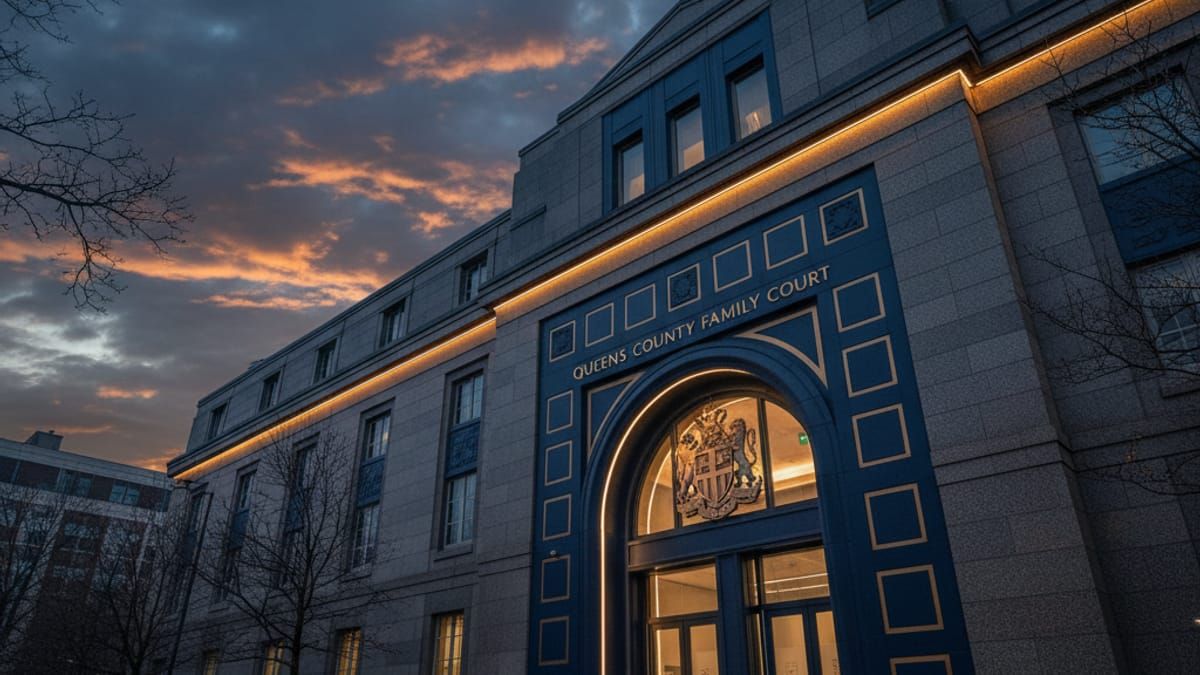
Divorce Lawyers in Queens - Local Counsel Who Know Your Courthouse
Connect with experienced divorce attorneys familiar with Queens County Family Court procedures
Astoria • Flushing • Jamaica • Forest Hills • Long Island City • Bayside • Woodside • Jackson Heights • Sunnyside
Get Matched with a Divorce AttorneyUnderstanding Divorce in New York State
Divorce in New York State can proceed through contested or uncontested routes, each with distinct procedures and timelines. Understanding these differences is essential when navigating the legal process.
Contested Divorce
When spouses cannot agree on key issues such as property division, child custody, or spousal support. These cases require negotiation, mediation, or court intervention to resolve disputes.
Uncontested Divorce
When both parties agree on all major terms of the divorce. This streamlined process typically resolves faster and involves less court involvement.

Why You Need a Queens Specialist
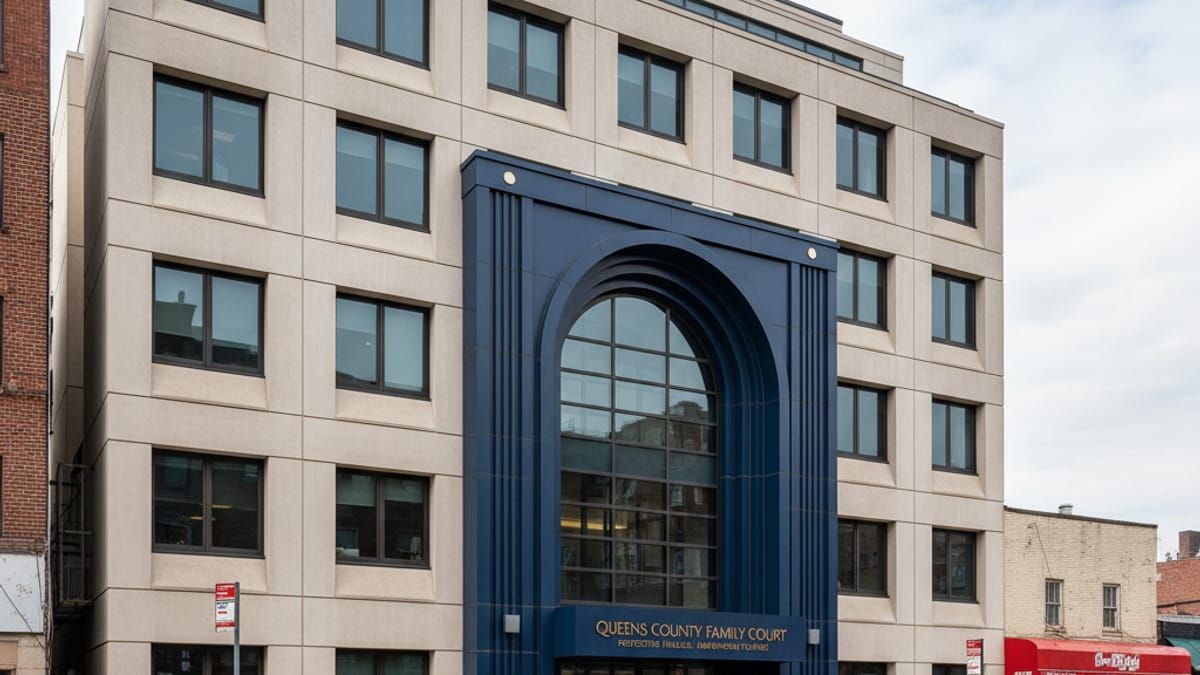
The Queens Family Court at 89-17 Sutphin Blvd in Jamaica has unique procedures, judges, and local practices. A Queens specialist brings invaluable advantages:
Jamaica Courthouse Familiarity
Regular experience with the specific procedures, filing requirements, and unwritten practices of Queens County Family Court
Judge Knowledge
Understanding of individual judges' preferences, tendencies, and approaches to divorce cases in Queens
Queens Property Expertise
Deep knowledge of local real estate values across Astoria co-ops, Flushing condos, Forest Hills homes, and all Queens property types
Local Mediation Resources
Connections with Queens-based mediators and collaborative divorce professionals familiar with local practices
Types of Divorce Services in Queens
Connect with attorneys who specialize in your specific divorce situation
Contested Divorce
When spouses cannot agree on key terms including property division, child custody, spousal support, or asset valuation
- Complex property division with Queens real estate valuations
- Child custody and parenting time disputes
- Spousal maintenance calculations and negotiations
- Business and asset valuation disputes
Why Local Matters:
Queens property values, local mediation practices, and familiarity with Queens judges are critical advantages in contested cases
Uncontested Divorce
When spouses agree on all major issues, allowing for a streamlined divorce process with less court involvement
- Faster process with agreed-upon terms
- Simplified court procedures and documentation
- Agreement drafting and filing assistance
- Protection of legal rights during cooperative process
Queens Advantage:
Familiar with Queens County forms, procedures, and clerk requirements for efficient processing
High-Asset Divorce
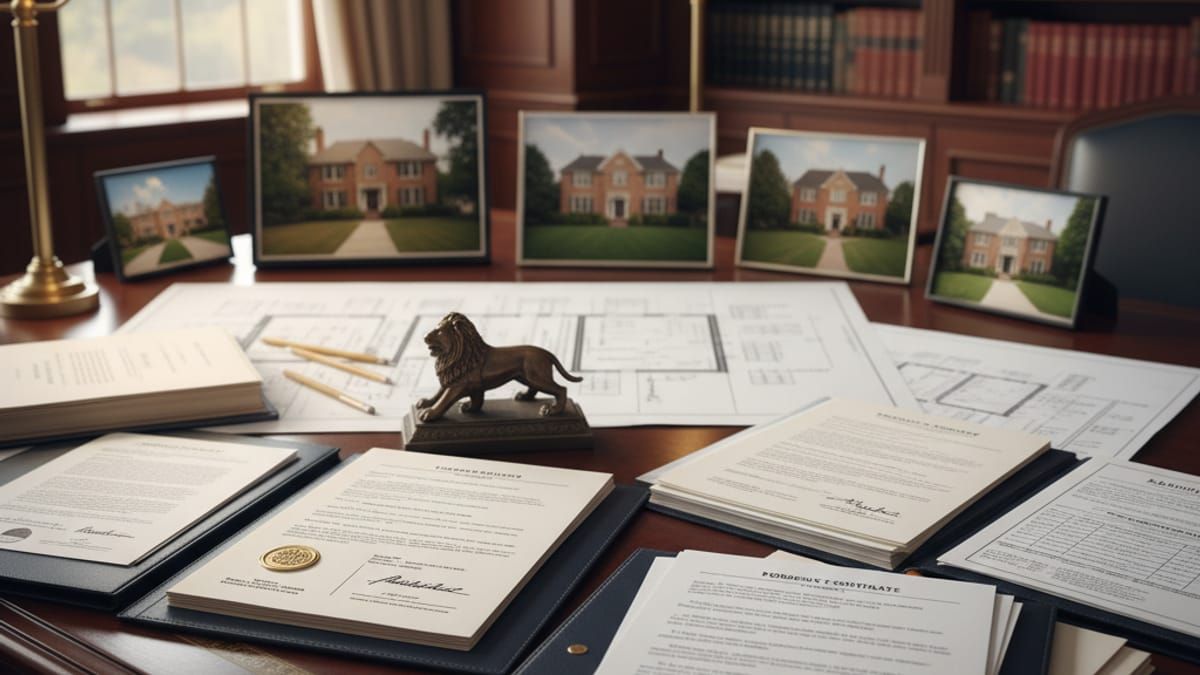
Complex estates involving businesses, multiple properties, investment portfolios, and significant assets requiring specialized expertise
- Multiple Queens properties and real estate portfolios
- Business ownership and valuation issues
- NYC pension and retirement account division
- Investment portfolios and stock options
Local Expertise:
Understanding of Queens property market, NYC pension systems, and connections with local forensic accountants and appraisers
Divorce Mediation Support
Alternative dispute resolution focused on collaborative problem-solving rather than adversarial litigation
- Less adversarial approach to divorce proceedings
- Potentially faster resolution timeline
- Focus on mutually beneficial solutions
- Attorney review of mediated agreements
Local Angle:
Connection with Queens mediation programs and courts, understanding of local collaborative divorce practices
The Divorce Process in Queens
Understanding the typical stages of divorce proceedings in Queens County Family Court
Filing
The divorce process begins by filing a Summons with Notice or Summons and Complaint in Queens County Supreme Court. Your attorney will prepare and file the necessary documents at the courthouse in Jamaica.
Where to file: Queens County Supreme Court, 88-11 Sutphin Boulevard, Jamaica, NY 11435
Service
The divorce papers must be properly served to your spouse according to New York State requirements. This can be done through personal service, service by a designated person, or, in some cases, service by mail with acknowledgment.
Discovery
Both parties exchange financial information, documents, and other relevant materials. This includes statements of net worth, tax returns, property valuations, and employment records. Discovery allows both sides to understand the full financial picture.
Negotiation
Attorneys for both parties work to reach agreements on contested issues through negotiation or mediation. Many cases settle during this phase without going to trial, potentially saving time and reducing conflict.
Trial (if needed)
If settlement cannot be reached, the case proceeds to trial before a Queens Family Court judge. The judge will hear evidence, testimony, and arguments before making decisions on contested issues. Your attorney's familiarity with Queens judges can be critical at this stage.
Final Decree
Once all issues are resolved (through agreement or court decision), the Judgment of Divorce is signed and filed. This legally ends the marriage and establishes the terms for property division, custody, support, and other matters.
Important Note on Timeline
Every case is unique. Timeline varies based on complexity, cooperation between parties, court schedules, and whether the divorce is contested or uncontested. Uncontested divorces may resolve in months, while complex contested cases can take significantly longer.
What to Expect at Queens Family Court
Court Location
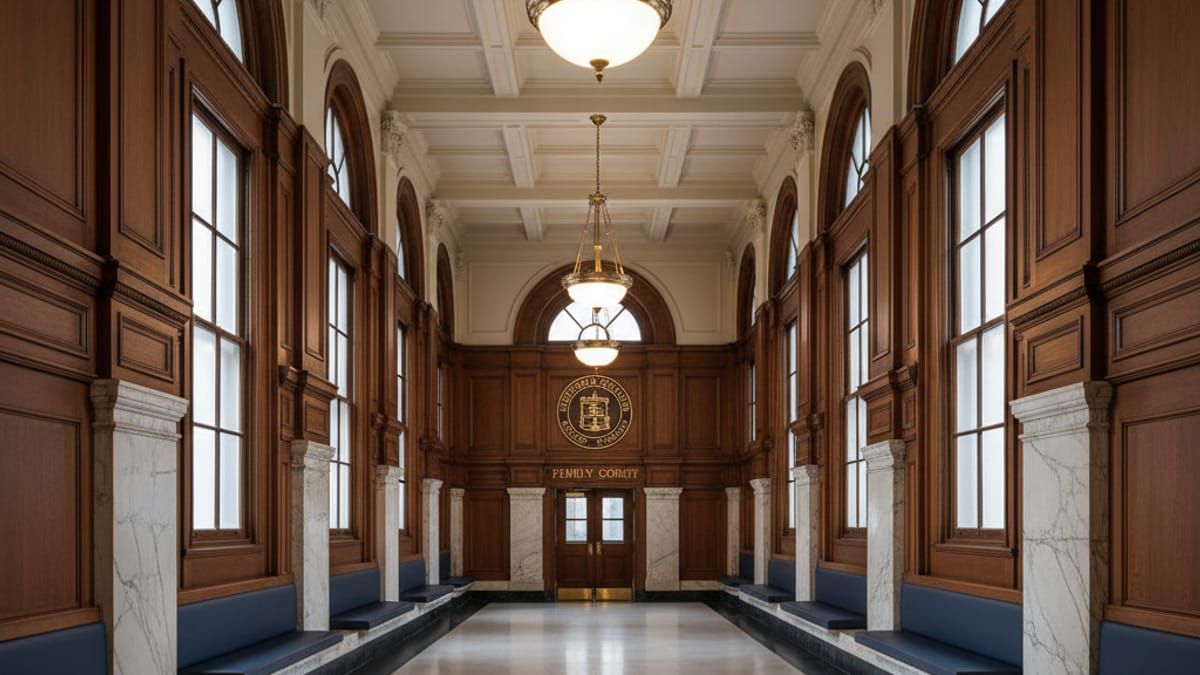
89-17 Sutphin Boulevard
Jamaica, NY 11435
Court Procedures
Queens County Family Court has specific local procedures and practices. Attorneys familiar with this courthouse understand filing requirements, scheduling protocols, and courtroom procedures unique to Queens.
Local Judges
Different judges may have varying approaches to divorce cases. Experienced Queens attorneys understand judicial preferences and can tailor their approach accordingly.
Parking & Accessibility
The courthouse is accessible by subway (E, J, Z trains to Jamaica Center) and has nearby parking options. Your attorney can provide specific guidance about arriving for court appearances.
Why Local Attorney Knowledge Matters
An attorney who regularly practices in Queens County Family Court will know the clerks, understand the local filing procedures, and have established relationships that can help move your case efficiently through the system.
Key Divorce Issues in Queens
Common matters addressed during divorce proceedings
Property Division
New York follows equitable distribution principles for marital property. This includes Queens homes, co-ops, condos, bank accounts, investments, and personal property acquired during the marriage.
Spousal Maintenance
Also known as alimony, spousal maintenance provides financial support to a lower-earning spouse. Calculations consider income, length of marriage, and other factors under NY law.
Child Custody & Parenting
Decisions about legal custody (decision-making) and physical custody (living arrangements) are made in the child's best interests, along with parenting time schedules.
Child Support Calculations
New York uses specific formulas to calculate child support based on parental income, number of children, and custody arrangements. Attorneys ensure proper calculations and compliance.
Retirement & Pensions
Division of retirement accounts, 401(k)s, IRAs, and pensions (including NYC municipal pensions) requires specialized knowledge and proper legal documentation (QDROs).
Debt Allocation
Marital debts including mortgages, credit cards, loans, and other liabilities must be fairly divided or allocated between spouses according to equitable principles.
Queens Neighborhoods We Serve
Connect with divorce attorneys serving all of Queens County
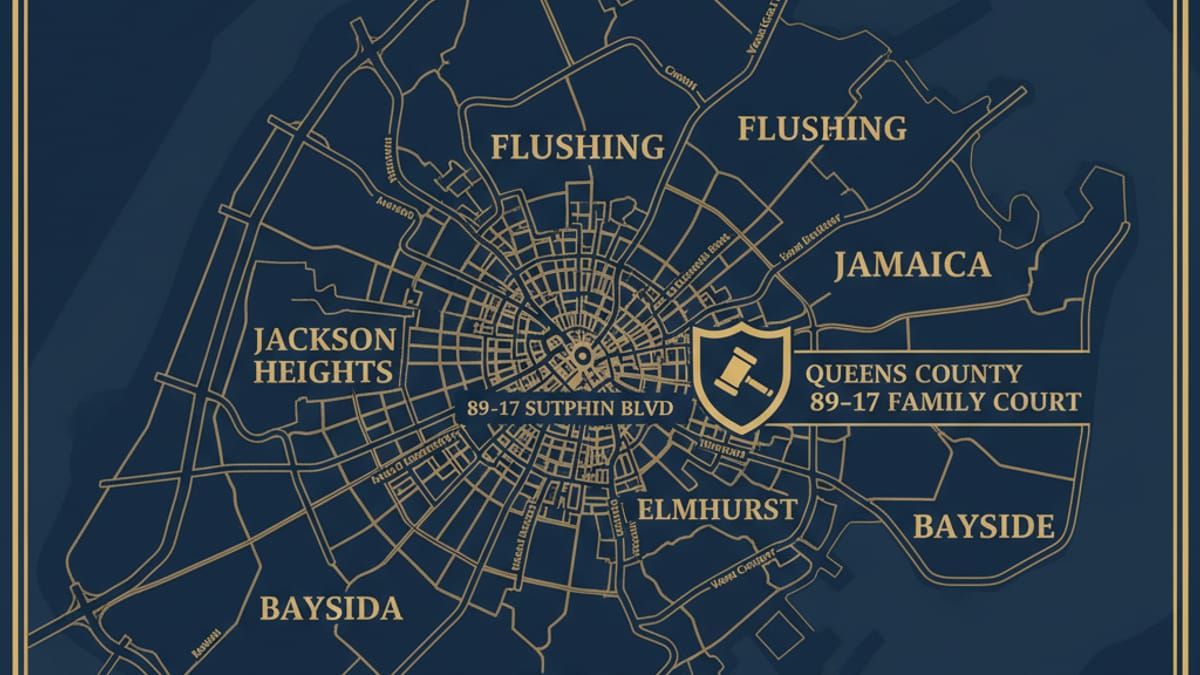
Serving All Queens County
No matter where you live in Queens, we connect you with divorce attorneys who understand your local community and the specific courthouse procedures at 89-17 Sutphin Blvd in Jamaica.
Frequently Asked Questions About Divorce in Queens
Common questions about the divorce process in Queens County
How long does a divorce take in Queens?
The timeline varies significantly based on whether the divorce is contested or uncontested. An uncontested divorce where both parties agree on all terms may be completed in several months. Contested divorces involving disputes over property, custody, or support typically take longer—often 12-18 months or more depending on complexity, court schedules, and negotiation progress. Every case is unique.
What are the residency requirements for divorce in NY?
To file for divorce in New York, either you or your spouse must meet one of these residency requirements: (1) Either spouse has been a NY resident for at least two years before filing; (2) Either spouse has been a NY resident for at least one year AND you were married in NY, lived in NY as a married couple, or the grounds for divorce occurred in NY; or (3) Both spouses are NY residents AND the grounds for divorce occurred in NY.
Do I need to go to court for an uncontested divorce?
In many uncontested divorce cases in New York, you may not need to appear in court. If all paperwork is properly completed and filed, and the judge approves the settlement agreement, the divorce can be finalized without a court appearance. However, some judges may still require a brief appearance. Your attorney will advise you on what to expect in your specific case.
How is property divided in NY divorces?
New York follows "equitable distribution," which means marital property is divided fairly, but not necessarily equally. Marital property includes assets and debts acquired during the marriage. The court considers factors like the length of marriage, income and property of each spouse, age and health, contributions to marital property, and future financial circumstances. Separate property owned before marriage or received as a gift/inheritance typically remains with the original owner.
What factors affect child custody decisions?
Queens Family Court judges make custody decisions based on the child's best interests. Factors considered include: each parent's ability to provide for the child's physical and emotional needs, the child's relationship with each parent, each parent's work schedule and availability, the child's preference (if old enough), continuity and stability of the child's current living situation, history of domestic violence (if any), each parent's willingness to foster a relationship with the other parent, and other relevant factors specific to your family situation.
Can I get a divorce if my spouse doesn't agree?
Yes. While an uncontested divorce is faster when both parties agree, you can still obtain a divorce even if your spouse contests it. New York allows "no-fault" divorce based on irretrievable breakdown of the marriage for at least six months, which doesn't require your spouse's agreement. The divorce will proceed as a contested case, where disputes over property, custody, or support will be resolved through negotiation, mediation, or ultimately by a judge if settlement cannot be reached.
How much does a divorce cost in Queens?
Divorce costs vary widely based on complexity, whether it's contested or uncontested, and how long the process takes. Factors affecting cost include attorney fees, court filing fees, costs for appraisals or expert witnesses (if needed), and other case-specific expenses. Uncontested divorces with full agreement typically cost less than contested cases requiring extensive negotiation or trial. The attorneys you're matched with will discuss their fees and payment arrangements during your initial consultation. Queens Family Lawyers does not set, control, or receive any portion of attorney fees.
What if my spouse and I own property together in Queens?
Queens real estate—whether single-family homes, co-ops, condos, or multi-family properties—is typically considered marital property subject to equitable distribution if acquired during the marriage. The property may be sold and proceeds divided, one spouse may buy out the other's interest, or in some cases, spouses may continue co-owning property after divorce. Property valuation is crucial, and attorneys with Queens market knowledge can help ensure fair valuations of your Astoria co-op, Forest Hills home, Flushing condo, or other Queens real estate.
How to Get Started with a Queens Divorce Attorney
Connect with a qualified divorce attorney in four simple steps
Tell Us About Your Situation
Complete a brief, secure form sharing basic details about your divorce situation and what you need help with
We Match You with Qualified Attorneys
We connect you with experienced Queens divorce attorneys who handle your specific case type and are familiar with Jamaica courthouse procedures
Attorneys Reach Out to You
A qualified divorce attorney will contact you directly to discuss your case, answer questions, and explain their approach
You Choose Who to Work With
After your consultation, you decide whether to hire the attorney. You're under no obligation to proceed
Ready to Take the First Step?
Connect with an experienced Queens divorce attorney who understands the Jamaica courthouse and will protect your rights throughout the process
Get Matched with a Queens Divorce AttorneyQueens Family Lawyers connects clients with licensed, independent divorce attorneys in Queens County. We do not perform legal services or guarantee case outcomes. All legal services are provided by independent attorneys who set their own fees and terms. Attorney-client relationships are formed directly between clients and the attorneys they choose to hire.